10 Things About Postpartum Depression Every Expectant Mother Need to Know
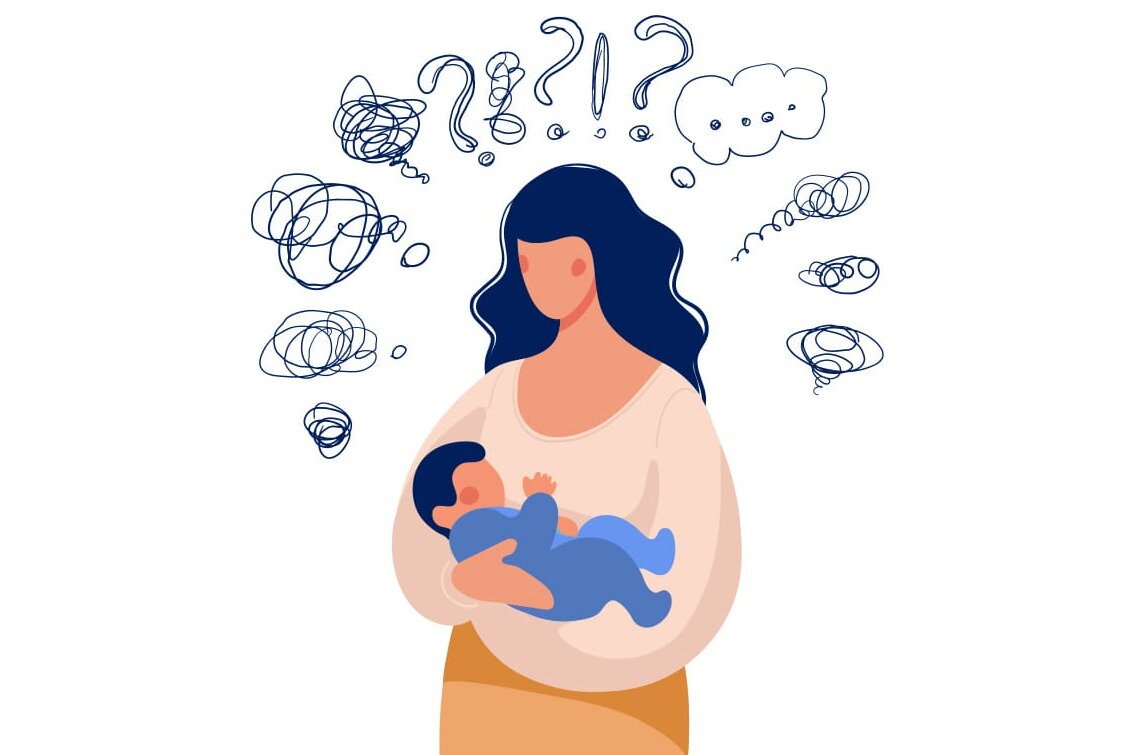
Postpartum depression, a major depression that can strike women after childbirth, is no doubt familiar to new or expecting moms. Some symptoms include Irritability, anxiety, and a sense of being separated from your kid. Ob-gyns want you to know about postpartum depression in addition to recognizing the symptoms.
1. It’s really common
This does not imply that it is normal, but postpartum depression occurs more frequently than you may believe. And it's something no one ever tells you about childbirth. One in every eight women will develop postpartum depression symptoms. Having a kid is a major life transition, and you are absolutely weary while dealing with it.
2. Watch for the baby blues
The "baby blues" usually endure for two weeks. You may cry for no reason, feel tense, or snap more frequently, and this tends to peak on day five and linger for around two weeks. You will require babysitting or cleaning aid, as well as a good night's sleep, but not necessarily medical attention for baby blues.
3. Actual postpartum depression
She claims that the symptoms, which include sobbing more frequently than usual, feeling angry, and withdrawing from loved ones, are more acute and stay longer than baby blues. While uncommon, postpartum psychosis is the most severe form of postpartum psychiatric disorder, with symptoms that can endanger both the mother and her child. Fear of hurting your child is a symptom of postpartum psychosis, not postpartum depression, and is one of the postpartum myths to avoid believing.
4. Dads get it too
There is such a thing as male postpartum depression. Only about 10% of new fathers experience depression before or after the birth of their child. The study found that symptoms such as melancholy, loss of interest, sleep issues, and low energy peak three to six months after birth. Depression is more frequent in younger fathers, those with a history of depression, and those experiencing financial stress.
5. Sleep plays a role
Any new mom who is asked how much sleep she is getting will yawn. Sleep loss can create or exacerbate overwhelming feelings of. A new mom may only have a few hours of unbroken sleep to get back on track. There are many ways for mothers to get more sleep. If you are nursing, you can pump and then have another caregiver assist you overnight so you can sleep longer.
6. The risks aren’t clear
Yes, a past experience of postpartum depression increases the chances of it developing again, although the hazards aren't always obvious. Having had a baby is usually the only risk factor. Women having a history of severe premenstrual syndrome, a personal or family history of significant depression, a lack of social support, and major negative life events such as job loss or divorce may also increase their chance of developing postpartum depression.
7. Moms need to talk about it
One in every five new mothers who suffer from postpartum depression or another mood illness following childbirth suffers in silence. People don't discuss it enough.
8. It is treatable
Postpartum depression is common and manageable, either with or without medication, but only if you seek help. Medication or conversation therapy can be beneficial.
9. You are not a bad mom
Having postpartum depression does not imply that you are a bad mother or that you are unfit to be a mother. Taking antidepressants does not imply that you are insane; rather, it indicates that you are a responsible and good mother.
10. Prevention is possible
Women who have already had it are up to 46 times more likely to experience it again. Women who are at high risk for postpartum depression can take medication safely throughout pregnancy to lessen their chances of recurrence. Your psychiatrist may advise high-risk women to use antidepressants throughout or after pregnancy to avoid a postpartum crisis.
Replies