10 Ideas for Designing a Japanese-Inspired Garden, with Marc Keane
8. Draw lines in the sand.
 Above: A specially shaped rake was used to make the deep valleys in this dry garden. For sources, see 10 Easy Pieces: Gravel Rakes.
If you’re moving toward minimalism in a garden, consider dedicating a space to a dry garden with no plants at all. “You can use a rake to create patterns in the sand, and change the patterns from time to time to make the garden feel new,” says Keane. While any kind of gravel will work, decomposed granite is best for getting those sharply raked lines. Japanese gardeners call it shirakawa-suna, a crushed granite with grains that are a mix of white, gray, and black, and range in size from coarse sand to fine gravel.
Note that these gardens aren’t meant for strolling—they’re considered viewing gardens, and usually placed in a spot where people in a nearby room or veranda can gaze out at it as if it’s a sculpture or painting.
As for the raking, no special technique is required. And while there are many traditional patterns, most are meant to replicate the look of waves rippling on water.
Don’t think that a dry garden means no maintenance. “Those famous gardens in Kyoto look perfect because they’re cleaned and raked every day,” says Keane. You won’t have to be that diligent, but you’ll still have to rake periodically and remove debris. If you use the right gravel, the pattern won’t be erased by a heavy rainfall.
9. Be bold with boulders.
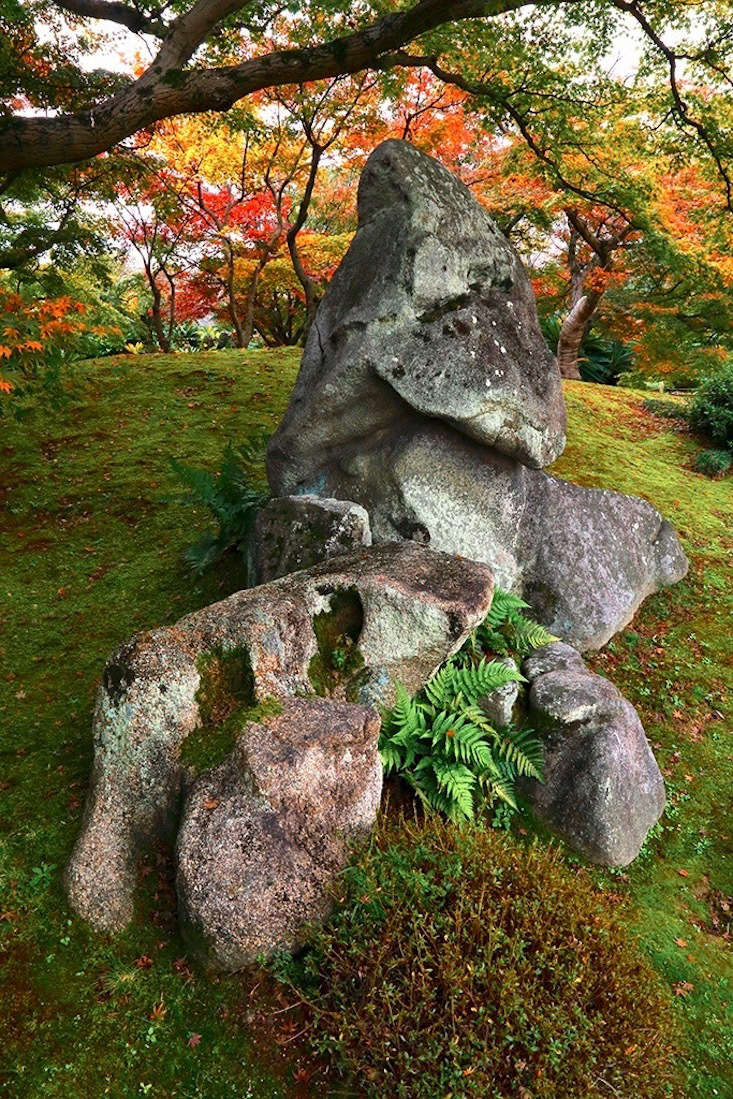 Above: Instead of a sculpture, consider the judicious selection and placement of a beautiful rock. (Yours might be a little smaller than this one.)
The large ornamental stones in Japanese gardens are viewed with the same artistic eye that a sculpture would be. The shape, texture, and color are all intentionally chosen to enhance the garden’s overall design. “Before placing a boulder, you pick its top and its best side—in Japanese that’s called the face,” Keane says. “Then you place the boulder with the top up and the face pointing in the direction where it will be best seen, whether toward a room that looks onto the garden, or a path that passes nearby.”
10. Add a water feature.
 Above: The sides of this sculptural stone basin were carved by nature; the top was cut flat and the inside hollowed out to hold water. Surrounding it are plantings typical of the Japanese style, including pines and grasses.
Traditionally, garden water basins were intended as a place for patrons to clean up before entering a tea room. Today they’re mostly used as decoration, but Keane points out that they still lend a sense of purity. “They’re placed by a path at the point where you enter or leave the garden, and they’re either made of natural stone or carved granite.”
At one time, the basins were filled by pouring in water by hand. Today you can add the musical sound of running water to your garden by installing a basin with a recirculating pump and a bamboo spout so water can splash into the bowl. As an added benefit, the birds might flit by for a drink or a bath.
For more ideas:
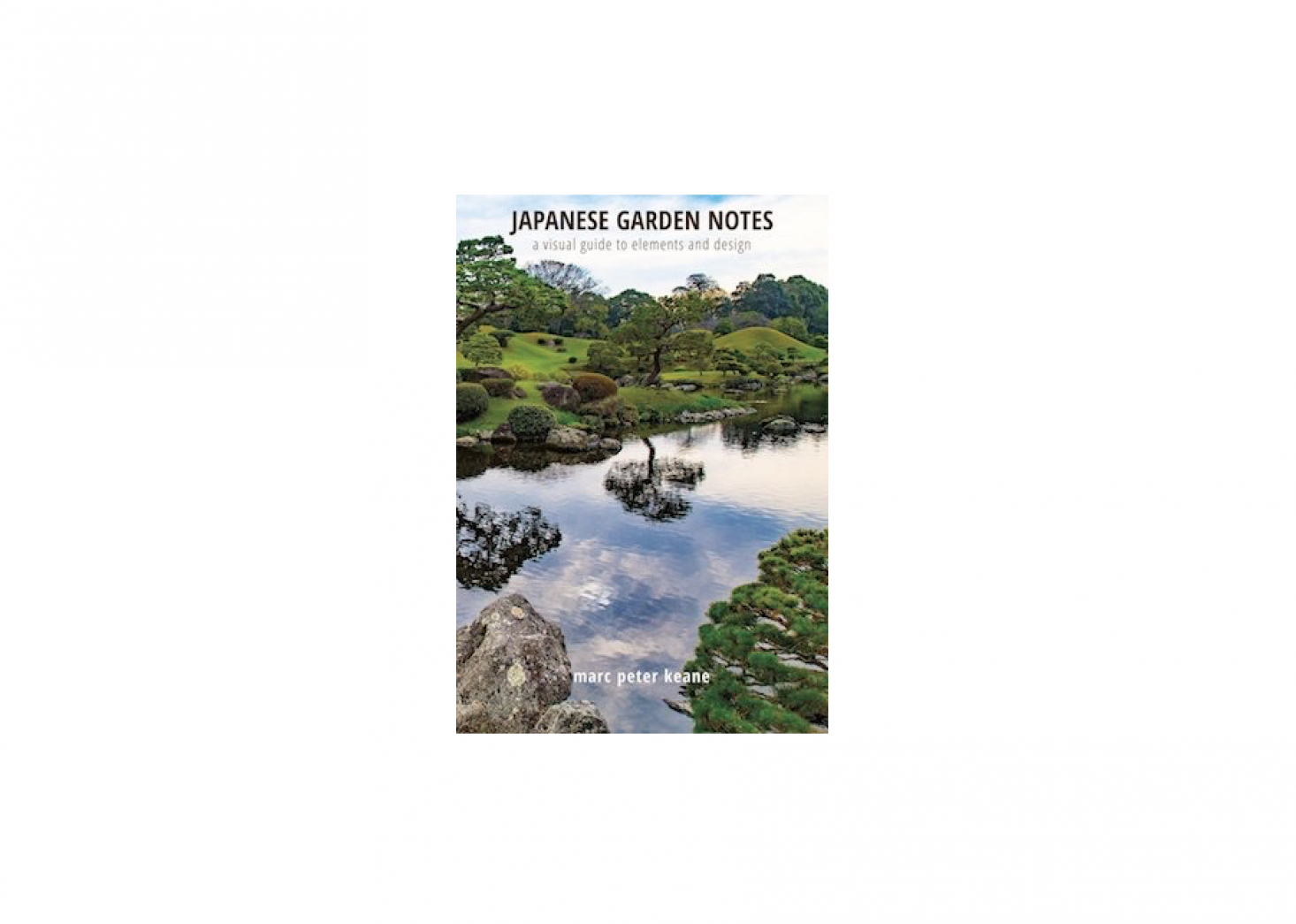 Above: A hardcover copy of Keane’s Japanese Garden Notes is $40.76 from Amazon.
See more ideas for adding Japanese-garden design elements to a landscape:

Source: https://www.gardenista.com/posts/10-ideas-design-japanese-inspired-garden-marc-keane/
Replies