10 Best Ways to Keep Your Cardiovascular System Healthy
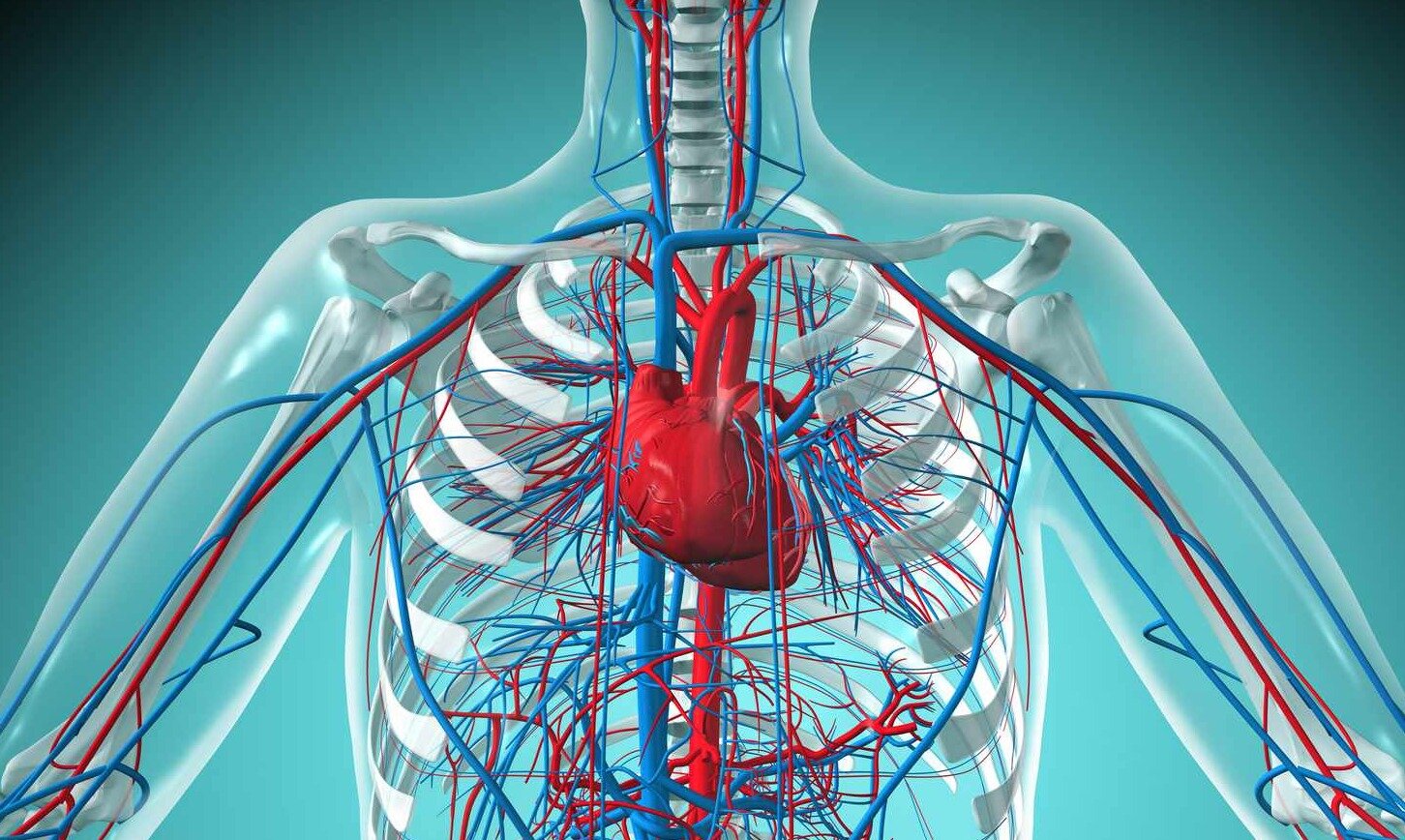
The cardiovascular system, also known as the circulatory system, is responsible for delivering oxygen and nutrients to all the cells in the body, as well as removing waste products. Keeping this system healthy is essential for maintaining overall health and preventing a range of serious diseases, including heart disease, stroke, and high blood pressure. Here are 10 of the best ways to keep your cardiovascular system healthy.
1. Exercise Regularly
One of the best things you can do to maintain a healthy cardiovascular system is to exercise regularly. This includes both aerobic exercise, such as running or cycling, and strength training, such as weightlifting. Aim for at least 150 minutes of moderate-intensity exercise per week, or 75 minutes of vigorous-intensity activity per week, spread out over several days.
2. Eat a Healthy Diet
A healthy diet is essential for maintaining a healthy cardiovascular system. This means eating plenty of fruits, vegetables, whole grains, lean proteins, and healthy fats while limiting your intake of processed foods, sugary drinks, and foods high in saturated and trans fats.
3. Maintain a Healthy Weight
Being overweight or obese can significantly strain your cardiovascular system, increasing your risk of heart disease, stroke, and other conditions. Aim for a healthy weight by eating a balanced diet and exercising regularly.
4. Give Up Smoking
Smoking is a major risk factor for heart disease and other cardiovascular conditions. Quitting smoking is one of the best things you can do to protect your cardiovascular system and improve your overall health.
5. Manage Your Stress Levels
Chronic stress can have a negative impact on your cardiovascular system, increasing your risk of heart disease and other conditions. To manage stress, try relaxation techniques such as meditation, yoga, or deep breathing exercises to manage stress.
6. Get Enough Sleep
Sleep is essential for maintaining a healthy body, and the cardiovascular system is not an exception. Aim for 7-9 hours of sleep per night, and try to establish a regular sleep routine. It’s also important to pay attention to what you eat and drink within a couple of hours of bedtime and include physical activity in your daily routine.
7. Limit Alcohol Consumption
Drinking too much alcohol can have a negative impact on your cardiovascular system, increasing your risk of high blood pressure and other conditions. Limit your alcohol consumption to no more than one drink per day for women and two drinks per day for men.
8. Control Your Blood Pressure
High blood pressure is a major risk factor for heart disease and other cardiovascular conditions. To control your blood pressure, eat a healthy diet, exercise regularly, manage stress, and take any medications prescribed by your doctor.
9. Manage Your Cholesterol Levels
High cholesterol levels can increase your risk of heart disease and other cardiovascular conditions. To control your cholesterol levels, eat a healthy diet, exercise regularly, and take any medications prescribed by your doctor.
10. Don’t Forget About Regular Checkups
Regular check-ups with your doctor or visits to a vein center are essential for maintaining a healthy cardiovascular system. Your doctor can check your blood pressure, cholesterol levels, and other vital signs, and recommend any necessary treatments or lifestyle changes to keep your cardiovascular system healthy.
The Bottom Line
You can do many things to maintain a healthy cardiovascular system. By exercising regularly, eating a healthy diet, maintaining a healthy weight, quitting smoking, managing stress, getting enough sleep, limiting alcohol consumption, controlling your blood pressure and cholesterol levels, and getting regular check-ups, you can protect your cardiovascular system and reduce your risk of serious health problems.
Replies